
News
-
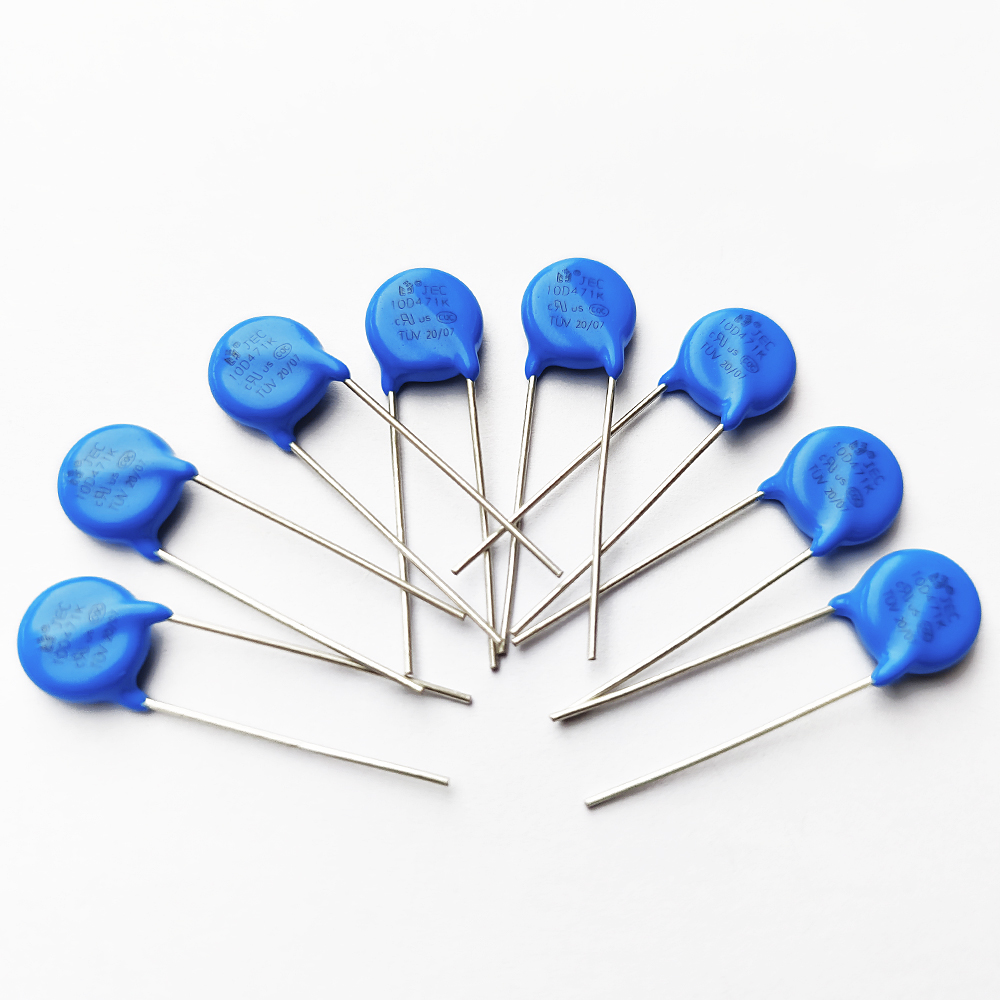
Silver or Copper MOV? The Right Choice Depends on Your Application
Rising material costs and longer lead times are putting more pressure on both R&D and purchasing teams. For MOV (Metal Oxide Varistor) selection, simply choosing the lower-cost option is not enough. The key question is: Can it deliver the required surge protection under your ac...Read more -
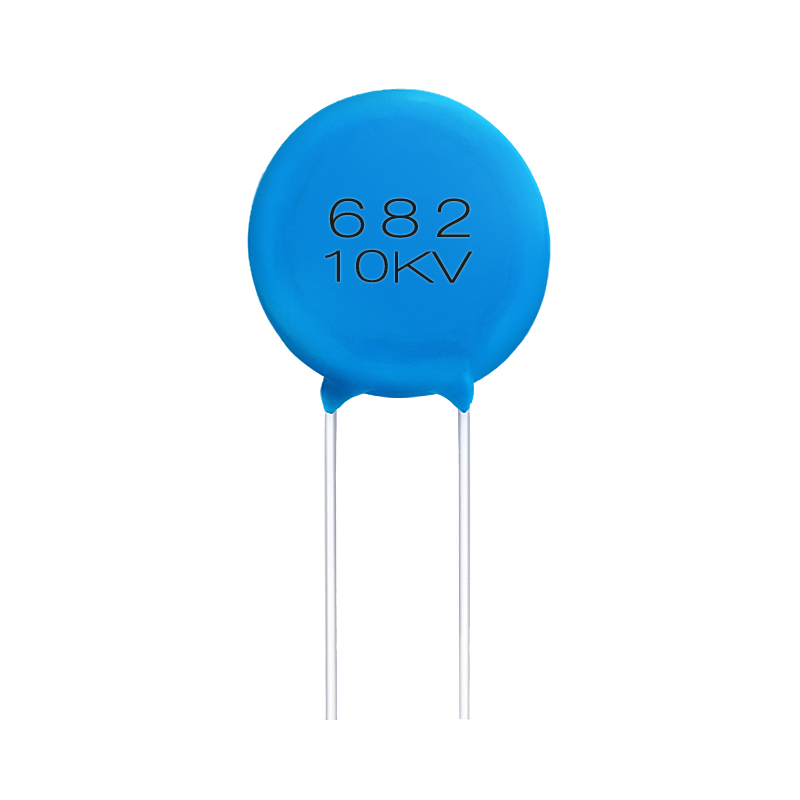
HighVolt Capacitor Selection – Specs Alone Aren’t Enough
For engineers designing PV inverters, EV chargers, energy storage systems, and industrial power supplies, choosing a capacitor based only on datasheet parameters can lead to unexpected failures. A low-ESL ceramic capacitor may look ideal for high-frequency applications, but it may not be s...Read more -
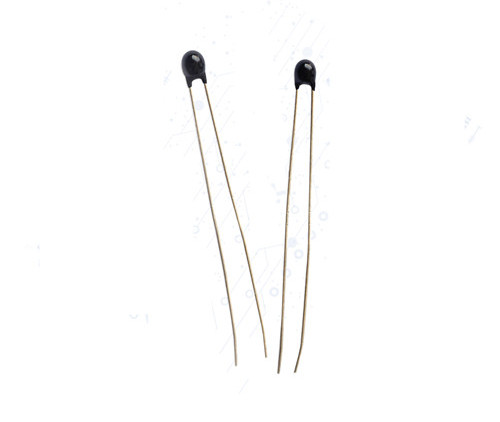
Why NTC Selection Matters in Power Electronics
For power supply, industrial control, appliance, and EV engineers, NTC thermistors may be a low-cost component, but removing them to reduce BOM cost can create much higher failure risks. Why Power Supply Design Requires NTC Thermistors? Without proper NTC thermistor protection, inrush cur...Read more -
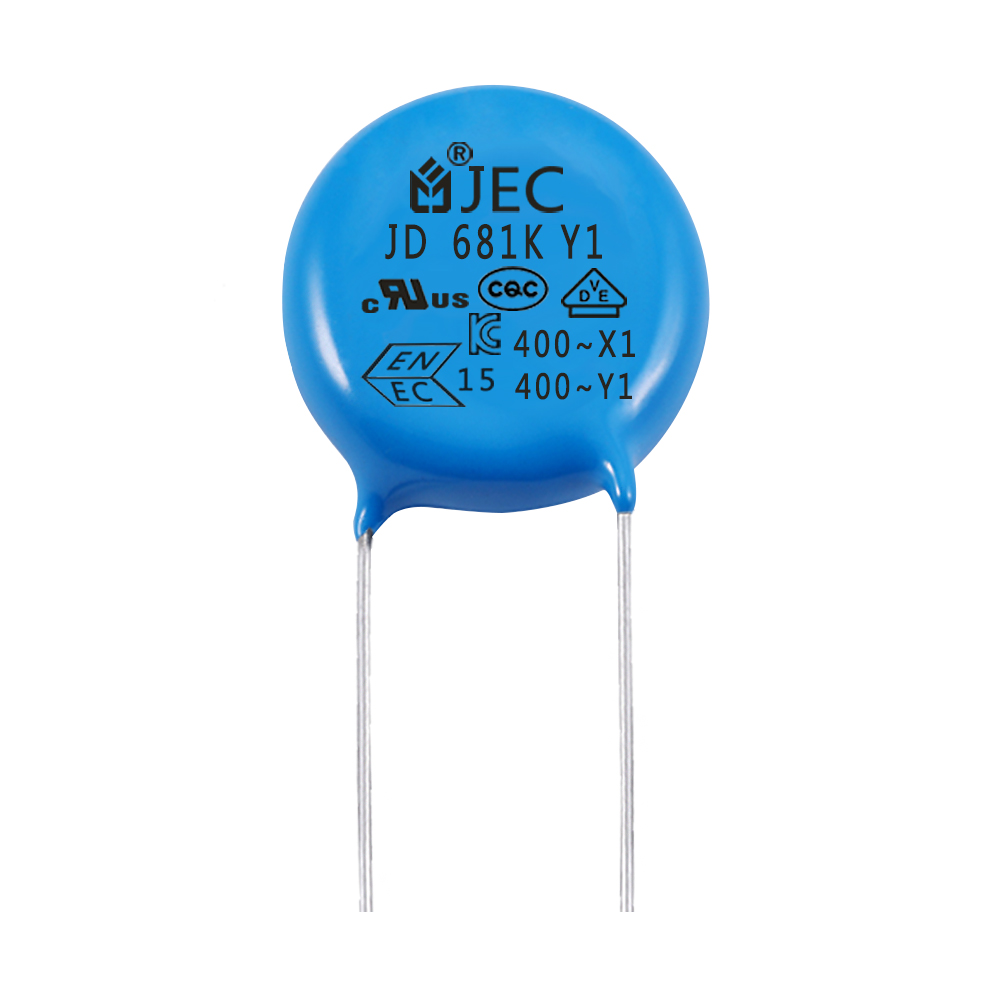
Y Capacitors Key Trends Shaping EMI & Safety Design
As power electronics continue to move toward higher power density, higher switching frequencies, and more compact designs, Y capacitors are facing increasingly demanding requirements. So, what are the key trends engineers should pay attention to? 1. Smaller Size, Higher Capacitance Power s...Read more -
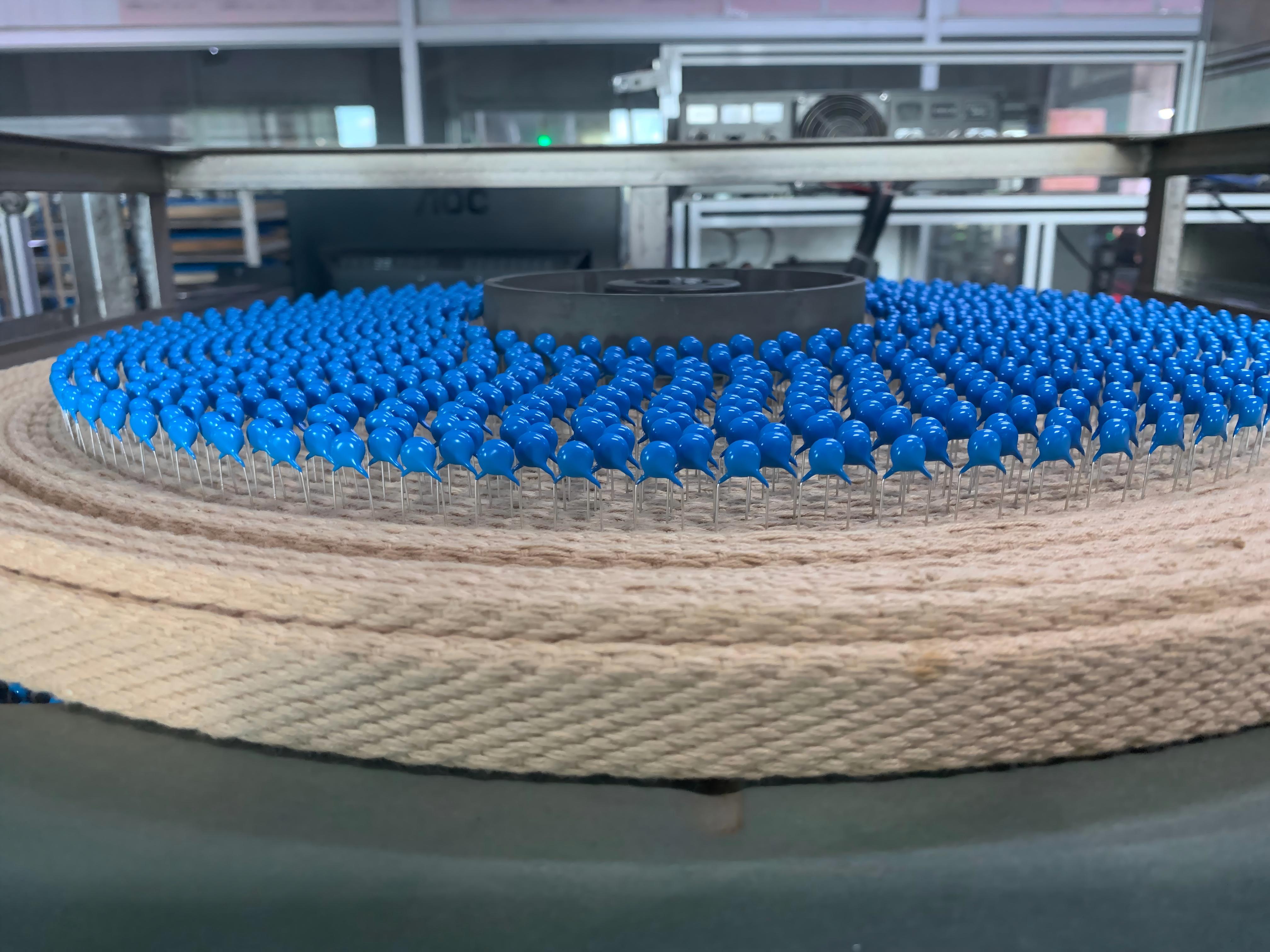
Y Capacitor Selection – Key Points Engineers Should Know
Y capacitors are essential for both EMI suppression and electrical safety. But choosing the right one requires more than simply matching the capacitance value. Here are 5 key factors to consider: Safety Certification Always choose certified Y capacitors with high insulation resistance. For...Read more -
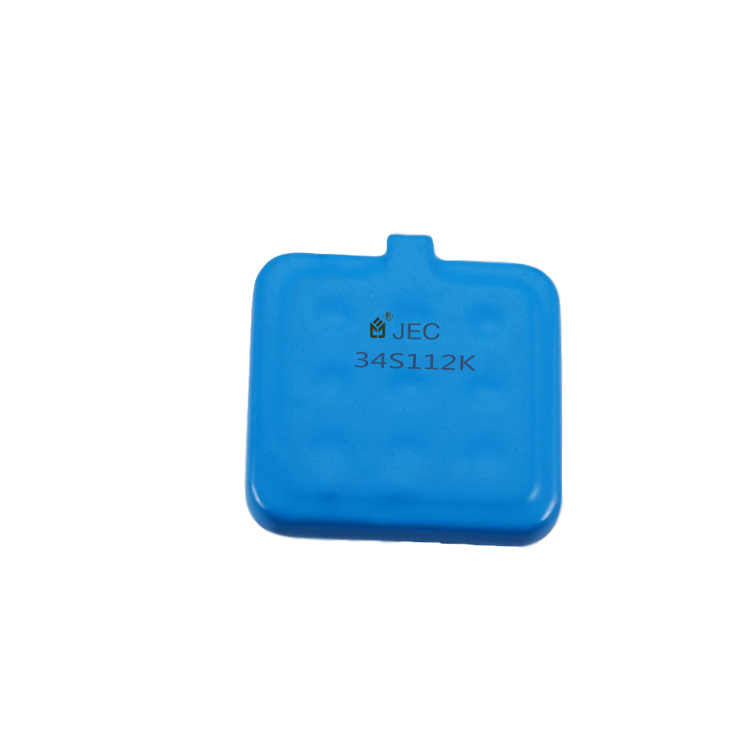
Helping Client Resolve Surge Protection Failure
A customer selected a 471KD14 MOV for their power module design, which theoretically met the requirement for a 2KV common-mode surge test. However, during actual testing, the power module repeatedly failed after only 5–10 surge pulses, indicating that the MOV was not providing effective pr...Read more -
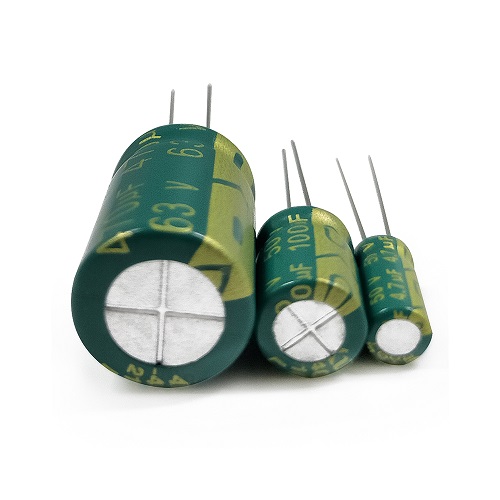
How Electrolytic Capacitors Support ESS Systems
Electrolytic capacitors play an important role in energy storage systems, pulse power supplies, laser equipment, and industrial electronics. In energy storage systems, electrolytic capacitors help stabilize voltage by storing excess energy and releasing it when needed. This is especially v...Read more -
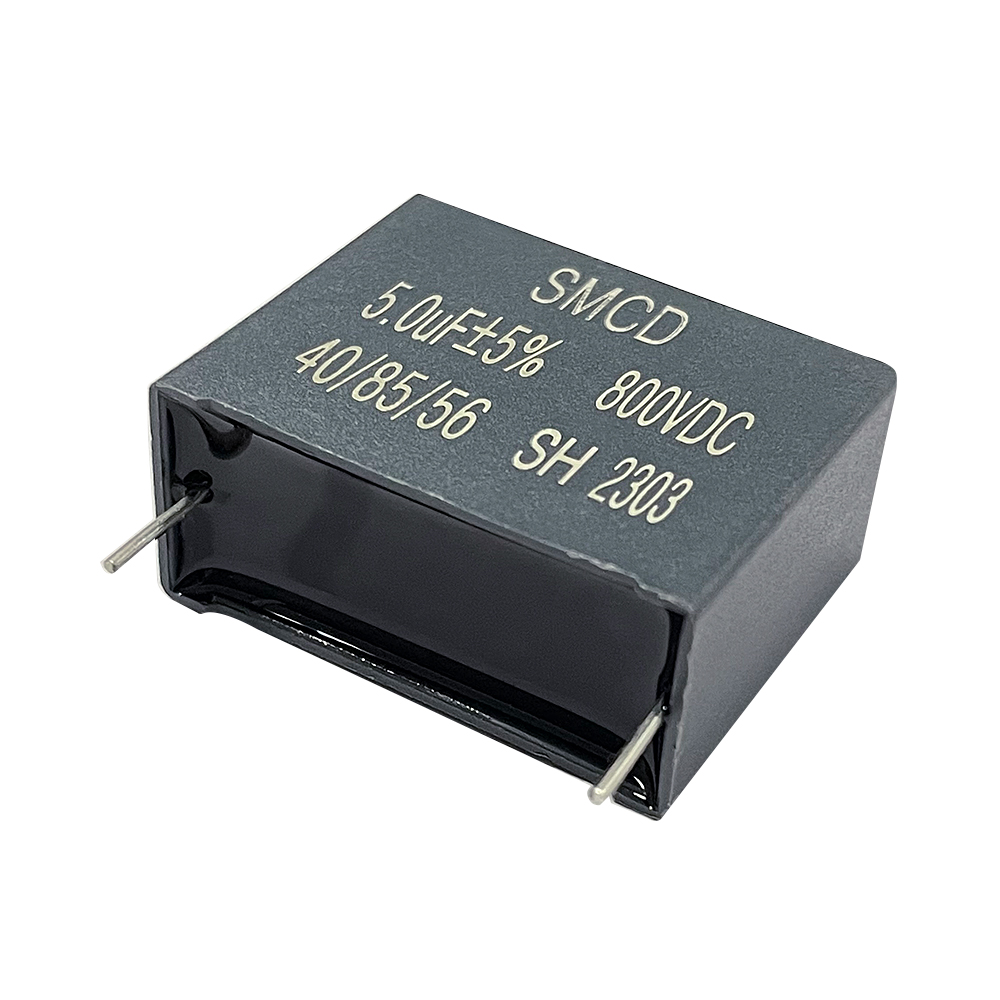
Is Higher DC-Link Capacitance Always Better
Many engineers evaluate DC-link capacitors based only on capacitance and voltage rating. In high-power applications such as EVs, motor drives, inverters, and energy storage systems, that’s far from enough. A reliable DC-link capacitor should also be validated under real operating co...Read more -
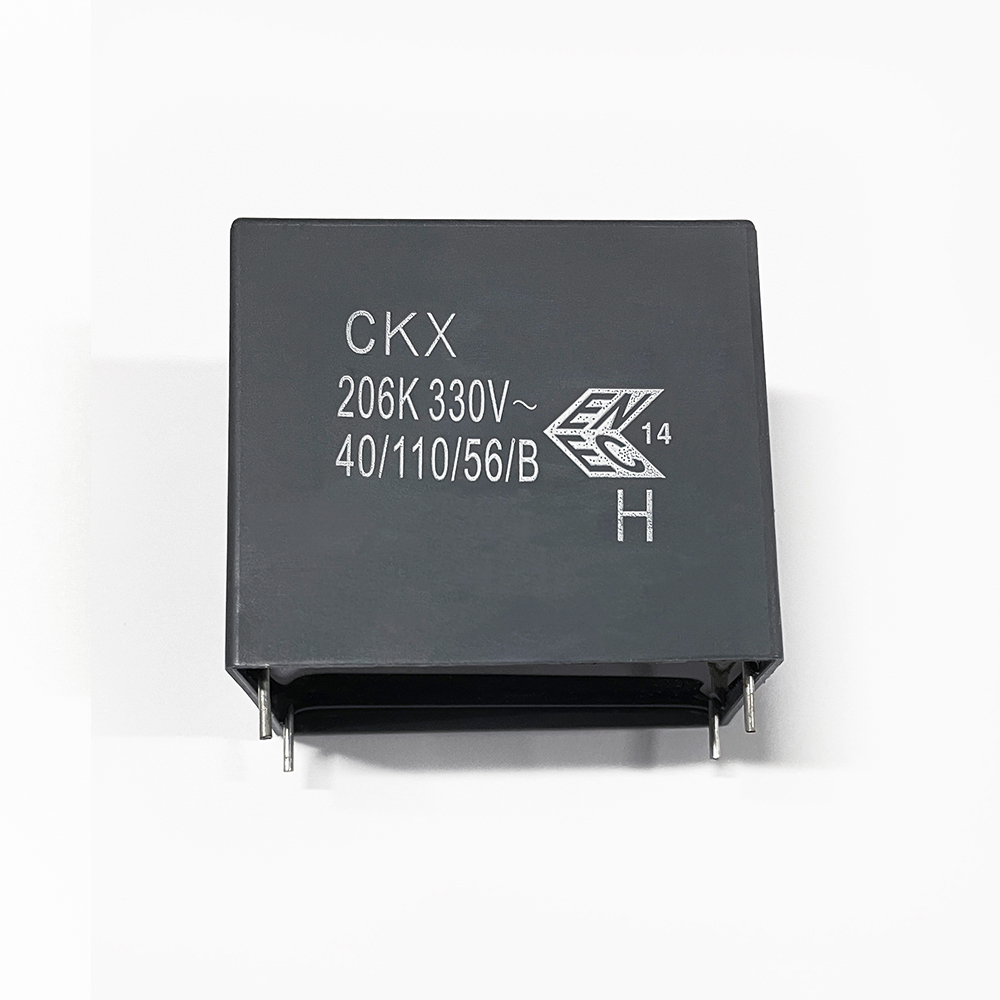
Why Safety Capacitors Matter in EV Charging Stations
As EV charging stations continue to deliver higher power and faster charging speeds, EMI suppression and electrical safety become increasingly critical. Safety capacitors are key components in the AC input stage of EV chargers. X safety capacitors suppress differential-mode noise be...Read more -
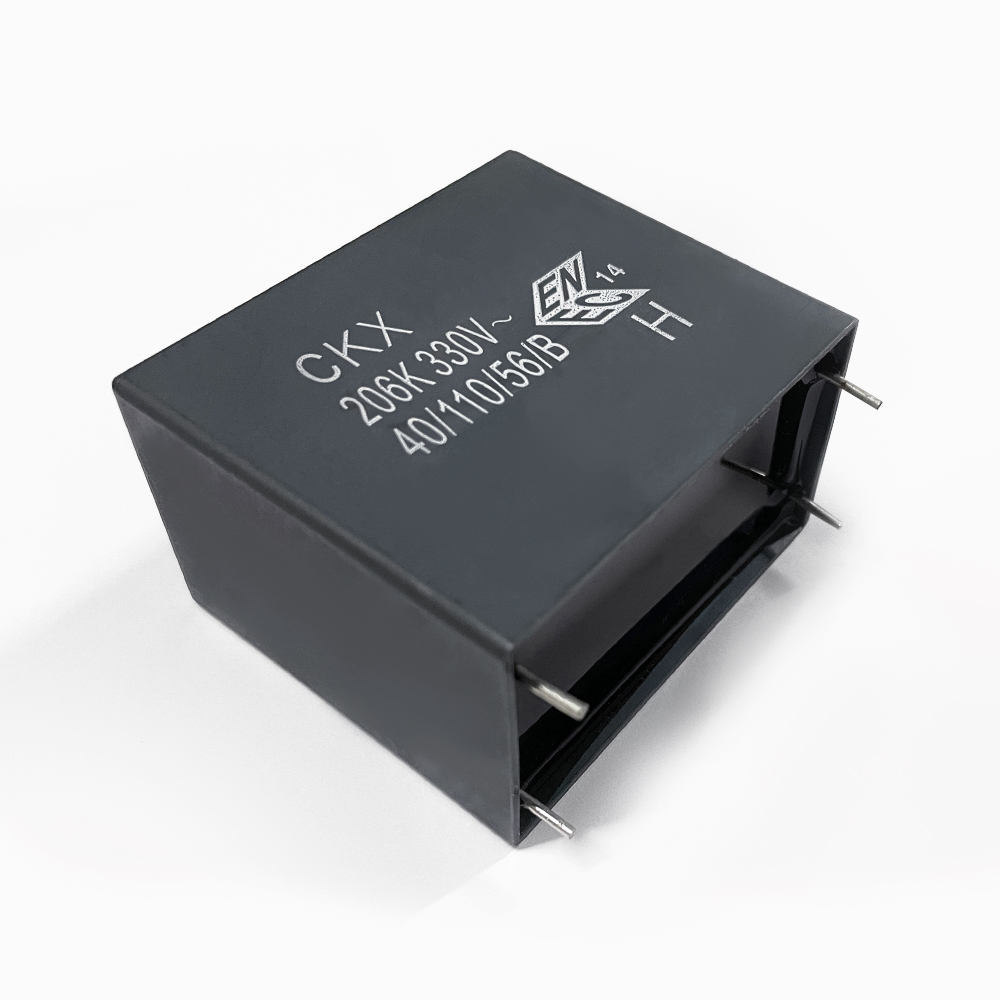
Key Capacitors for Reliable EV Traction Inverters
As EV traction inverters move toward higher switching frequencies and higher power density, capacitor selection directly affects EMI performance, DC bus stability, and system reliability. Choosing the wrong capacitor can lead to increased switching noise, voltage overshoot, reduced invert...Read more -

Surge Protection Challenges in Compact Charger Designs
The Challenge A fast charger manufacturer was struggling to pass surge immunity testing. The limited PCB space made it difficult to achieve both sufficient surge protection and efficient thermal management using the existing design. JEC’s Solution After reviewing the application, JEC...Read more -
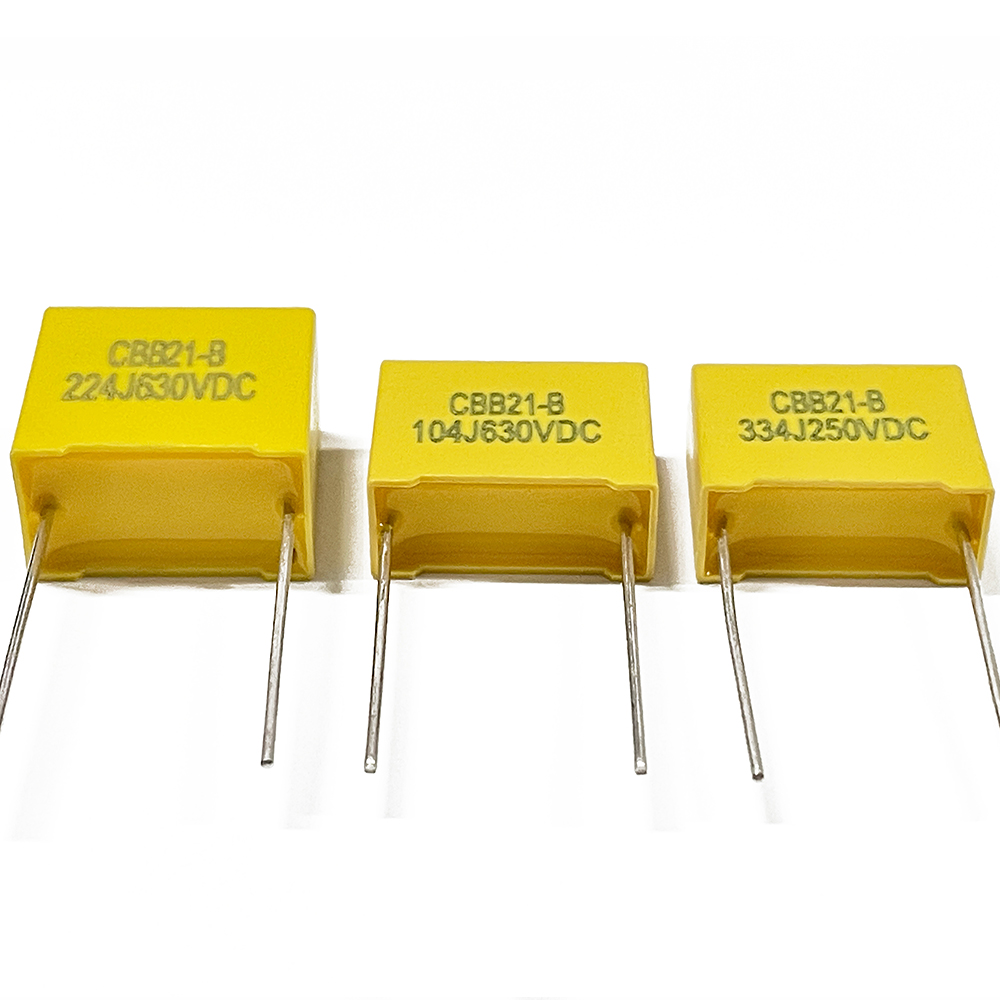
How Capacitors Support Electric Vehicles
Electric vehicles contain multiple power electronic systems, including battery management systems (BMS), onboard chargers (OBC), DC-DC converters, and motor control units. These systems require capacitors to manage electrical energy and maintain stable operation. Capacitors help to: Stabi...Read more